What Is Colorectal Cancer Screening?
A screening test is used to look for a disease when a person doesn’t
have symptoms (When a person has symptoms, diagnostic tests are used
to find out the cause of the symptoms.)
Colorectal cancer almost always develops from precancerous
polyps (abnormal growths) in the colon or rectum. Screening tests can
find precancerous polyps, so that they can be removed before they turn
into cancer. Screening tests can also find colorectal cancer early, when
treatment works best.
What are Colorectal Screening Recommendations?
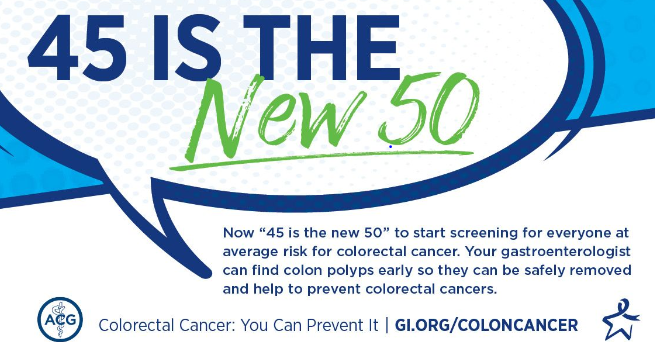
Regular screening, beginning at age 45, is the key to preventing
colorectal cancer and finding it early. The U.S. Preventive Services
Task Force (Task Force) recommends that adults age 45 to 75 be screened
for colorectal cancer. The Task Force recommends that adults age 76 to
85 talk to their doctor about screening.
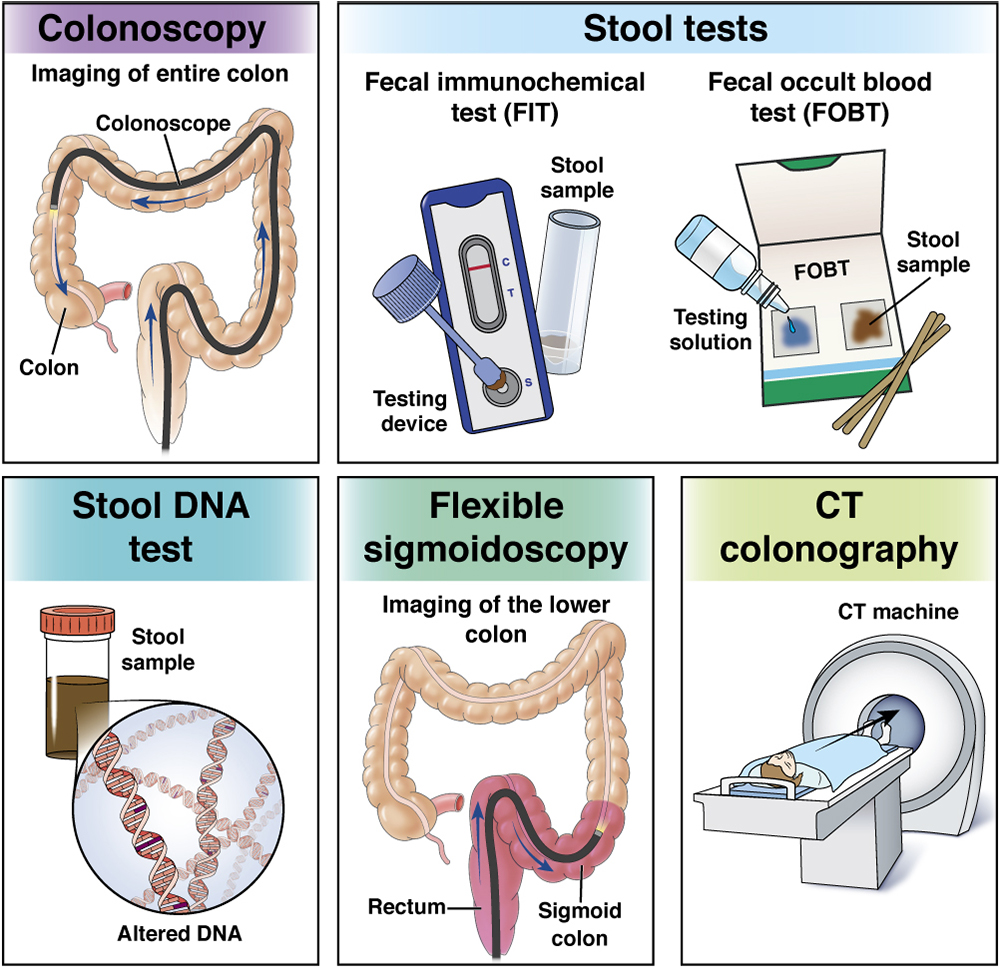
The Task Force recommends several colorectal cancer screening
strategies, including stool tests, flexible sigmoidoscopy, colonoscopy,
and CT colonography (virtual colonoscopy).
When Should I Begin to Get Screened?
Most people should begin screening for colorectal cancer soon after
turning 45, then continue getting screened at regular intervals.
However, you may need to be tested earlier than 45, or more often than
other people, if you have—
Inflammatory bowel disease such as Crohn’s disease or ulcerative
colitis.
A personal or family history of colorectal cancer or colorectal
polyps.
A genetic syndrome such as familial adenomatous polyposis (FAP) or
hereditary non-polyposis colorectal syndrome.
If you think you are at increased risk for colorectal cancer, speak with
your doctor about—
You need to clean your colon with bowel prep( solution or pills) to
empty the colon from stools for the camera to get a good look inside
your colon. If you will not prepare the colon before your colonoscopy
then chances of missing lesions are high.
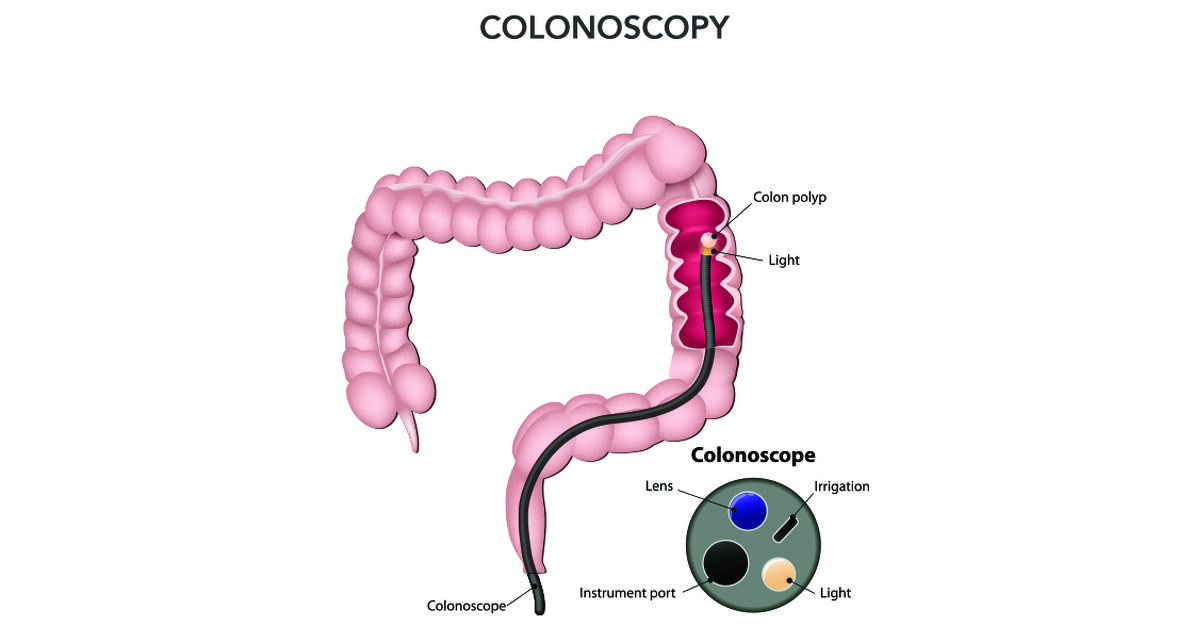
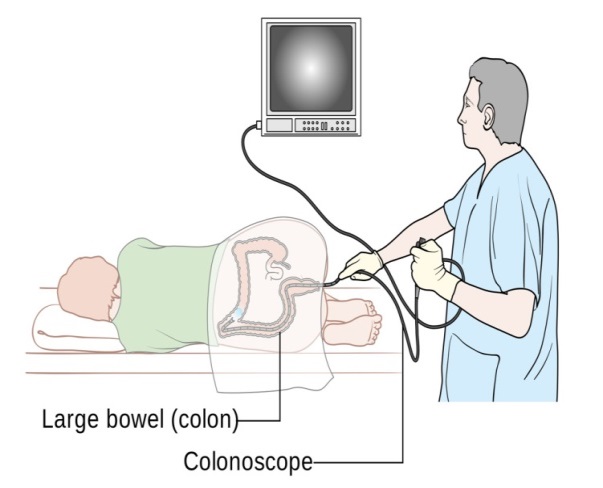
Colonoscopy is performed as outpatient procedure under twilight
anesthesia. A thin long tube with camera mounted at the end pass along
your colon to look for any mass, lesion, inflammation polyp. If we will
find any polyp, will remove it at the same time and send it for
pathology. You need a ride to home after the procedure.