What is inflammatory bowel disease?
Crohn’s disease and ulcerative colitis are two major inflammatory bowel
diseases (IBD).
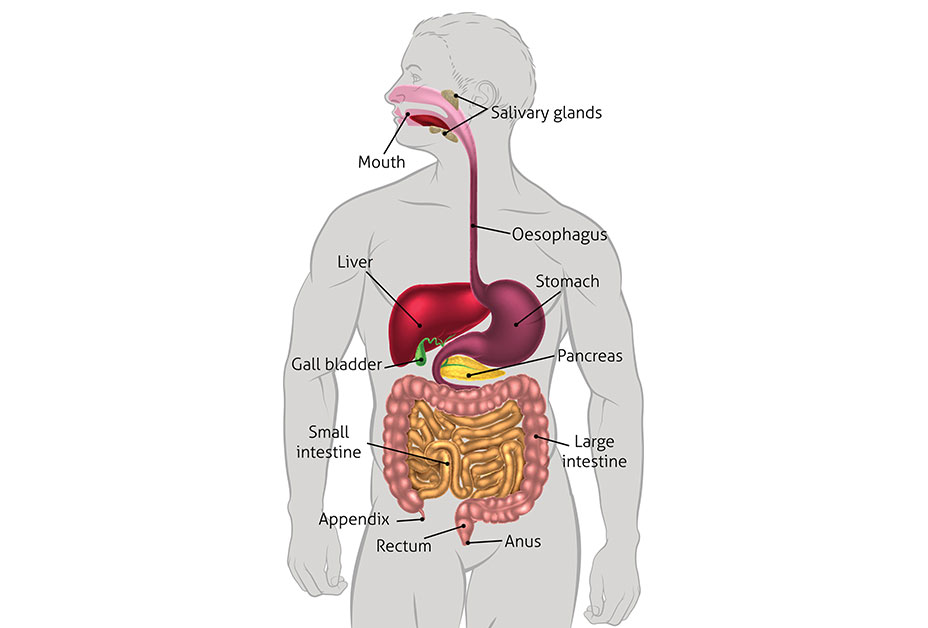
Crohn’s disease can affect any part of the gastrointestinal tract—from
the mouth to the anus.
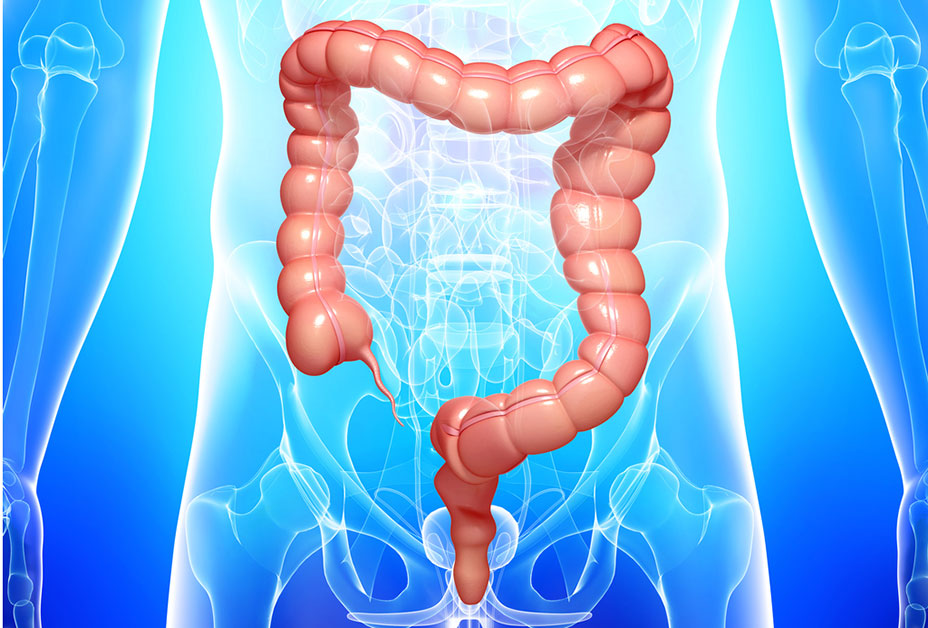
Ulcerative colitis occurs in the large intestine or rectum. It’s usually
diagnosed in teens and young adults.
Three million US adults report having a diagnosis of IBD.
Common symptoms include frequent diarrhea, abdominal pain, bloody
stools, fever, weight loss, fatigue, and night sweats. IBD is a
long-lasting disease and often does not go away completely. Although
this chronic disease significantly affects quality of life, there are
ways to manage it.
Key Facts
About 3 million US adults reported having Crohn’s disease or
ulcerative colitis.
Up to 80,000 US children may have IBD.
Most people with IBD are diagnosed between ages 15 and 35 years.
Treatment usually involves medications, but more severe cases may
require surgery.
Healthy Lifestyle
Moderate exercise can strengthen the body’s immune system and reduce
depression and anxiety that are common among IBD patients. IBD patients
should not smoke. Alcohol should be avoided during flares-up as it may
make symptoms worse. Having a healthy, well-balanced diet is important
for overall health.
Crohn’s Disease
In Crohn’s disease, inflammation can occur in any part of the
gastrointestinal tract—from the mouth to the anus—but it most often
affects the end of the small intestine where it joins the large
intestine. Although patient receives treatment, they may still
experience flare-ups. There also are periods that patients may not
notice any symptoms.
Ulcerative Colitis
In ulcerative colitis, inflammation occurs in the large intestine and
the rectum. The symptoms mainly include diarrhea and abdominal pain.
Ulcerative colitis is more common in men than women.
How IBD is Diagnosed?
Diagnosis is not straightforward. A series of laboratory tests,
endoscopies, radiology scans, or diagnostic imaging will be performed to
make a diagnosis of Crohn’s disease or ulcerative colitis.
What re the Complications of IBD?
IBD may affect other parts of the body outside the gastrointestinal
tract. For example, patients may suffer from mouth sores, skin rashes,
or kidney stones.
What is Healthy Lifestyle to prevent IBD?
Moderate exercise can strengthen the body’s immune system and reduce
depression and anxiety that are common among IBD patients. IBD patients
should not smoke. Alcohol should be avoided during flares-up as it may
make symptoms worse. Having a healthy, well-balanced diet is important
for overall health.