Irritable Bowel Syndrome (IBS): Symptoms, Diagnosis and Treatment in Phoenix
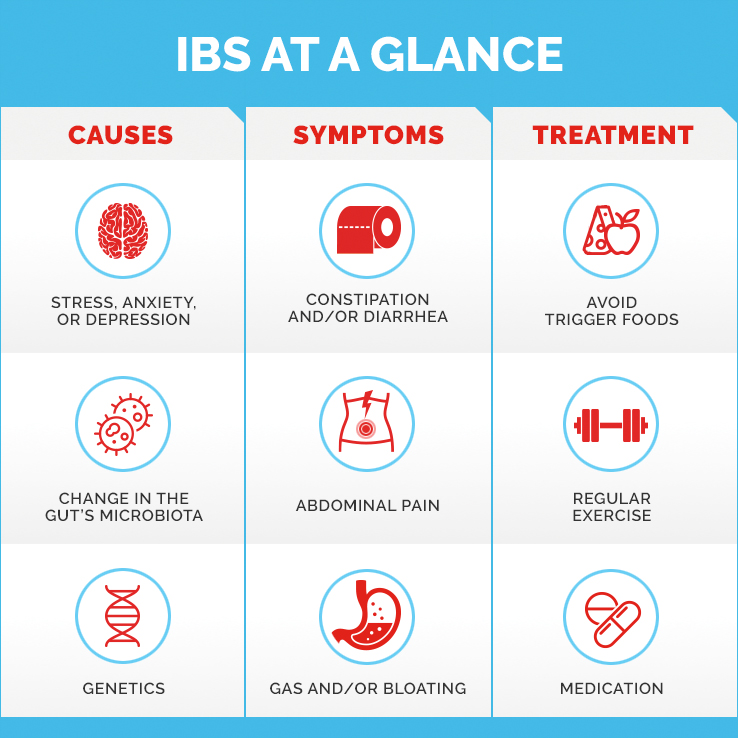
Irritable bowel syndrome (IBS) is a chronic disorder of gut–brain interaction that causes recurring abdominal pain together with constipation, diarrhea or both. Bloating, urgency and a feeling of incomplete evacuation are also common. IBS can be painful and disruptive, but it does not cause visible injury to the digestive tract and does not increase the risk of colorectal cancer.
In brief: IBS is diagnosed from a recognizable symptom pattern, medical history and physical examination. Limited testing may be used to look for another condition when appropriate. Treatment depends on the IBS subtype and may include soluble fiber, a structured low-FODMAP trial, stress and sleep support, gut-directed therapy, and prescription or nonprescription medication.
If abdominal pain or unpredictable bowel habits are interfering with daily life, an individualized evaluation can help clarify whether IBS—or another colorectal or digestive condition—is responsible.
What Is Irritable Bowel Syndrome?
IBS is not “idiopathic bowel syndrome,” inflammatory bowel disease or colitis. It is a disorder involving communication between the gut and brain. Changes in intestinal movement, sensitivity, the microbiome and the way the nervous system processes digestive signals may all contribute.
With IBS, routine examinations may not show structural damage even though the symptoms are real. A person may feel pain from normal amounts of gas or stool, or food may move through the digestive tract too quickly or too slowly.
IBS symptoms often come and go. Some people have mild episodes, while others experience symptoms that affect work, travel, sleep, exercise and social activities.
What Are the Main Types of IBS?
Identifying the bowel pattern matters because a medicine that helps one subtype may worsen another.
- IBS-C (IBS with constipation): hard or lumpy stools are more common than loose stools.
- IBS-D (IBS with diarrhea): loose or watery stools are more common than hard stools.
- IBS-M (IBS with mixed bowel habits): both hard and loose stools occur regularly.
- IBS-U (unclassified IBS): symptoms meet the definition of IBS, but the stool pattern does not fit the other subtypes.
The subtype can change over time, so treatment may need to be adjusted.
Common IBS Symptoms
The core IBS symptoms are recurrent abdominal pain and a change in bowel habits. Symptoms may include:
- abdominal cramping or pain related to bowel movements
- constipation, diarrhea or alternating episodes of both
- bloating or a sensation of abdominal fullness
- excess gas
- urgency, especially after eating
- straining or passing hard, pellet-like stool
- feeling that a bowel movement is incomplete
- mucus in the stool
Pain may improve, worsen or remain unchanged after a bowel movement. Stress and certain foods can trigger symptoms, but neither stress nor diet is the sole cause of IBS.
When Should You Seek Prompt Medical Care?
Do not assume new or changing digestive symptoms are IBS. Contact a clinician promptly if you have:
- rectal bleeding, bloody stool, or black and tarry stool
- unexplained weight loss
- iron-deficiency anemia
- fever, persistent vomiting or dehydration
- severe, steadily worsening or nighttime abdominal pain
- diarrhea that repeatedly wakes you from sleep
- a new change in bowel habits later in life
- a family history of colorectal cancer, inflammatory bowel disease or celiac disease
- a new abdominal mass or swelling
Seek urgent or emergency care for severe abdominal pain with persistent vomiting, fainting, heavy bleeding, a rigid or markedly swollen abdomen, or inability to pass stool or gas.
What Causes IBS?
There is usually no single cause. IBS may result from several overlapping factors, including:
- altered communication between the brain and digestive tract
- increased sensitivity of intestinal nerves
- intestinal contractions that are faster, slower or poorly coordinated
- changes in the intestinal microbiome
- a previous gastrointestinal infection (post-infectious IBS)
- food intolerances or sensitivities
- genetic and environmental influences
- stress, anxiety, depression or earlier adverse experiences that affect symptom severity
Stress can intensify pain, diarrhea or constipation through the gut–brain connection. That does not mean IBS is imaginary or simply psychological.
How Is IBS Diagnosed?
There is no single blood test, scan or colonoscopy finding that confirms IBS. Diagnosis generally starts with a detailed symptom history, medication review, family history and physical examination.
Clinicians commonly look for recurring abdominal pain associated with at least two of the following:
- pain related to a bowel movement
- a change in how often bowel movements occur
- a change in stool appearance or form
Formal symptom criteria describe pain occurring, on average, at least once a week during the previous three months, with symptoms beginning at least six months earlier. A clinician may still evaluate and treat suggestive symptoms before that time threshold is reached.
Tests That May Be Recommended
Testing is individualized. Depending on your symptoms, age, history and warning signs, it may include:
- bloodwork to look for anemia, inflammation or another medical condition
- testing for celiac disease, particularly when diarrhea is present
- stool studies for infection, inflammation or hidden blood
- breath testing when lactose intolerance or another carbohydrate intolerance is suspected
- colonoscopy when alarm features are present, colorectal cancer screening is due, or another colon disorder must be evaluated
Colonoscopy is not automatically required for every person with suspected IBS. It is used selectively based on clinical findings and routine screening recommendations.
Conditions That Can Resemble IBS
Similar symptoms may occur with:
- celiac disease
- inflammatory bowel disease, including Crohn’s disease and ulcerative colitis
- lactose or other carbohydrate intolerance
- medication side effects
- gastrointestinal infection
- pelvic-floor dysfunction
- thyroid disease
- microscopic colitis
- colorectal or anorectal conditions
- colorectal cancer
The purpose of a careful evaluation is to make a confident diagnosis without unnecessary testing while identifying signs that require further investigation.
IBS Treatment: An Individualized Plan
There is no single best treatment for everyone. The plan should target the dominant symptoms, IBS subtype, triggers, other medical conditions and personal preferences. More than one approach may be used.
1. Food and Symptom Tracking
A short diary can reveal patterns without blaming every symptom on food. Record meals, stool form, pain, bloating, urgency, sleep, stress and medications for two to four weeks. Bring the diary to your appointment.
Avoid removing many foods indefinitely without professional guidance. Over-restriction can reduce nutrition, worsen food anxiety and make the diet difficult to sustain.
2. Soluble Fiber
Soluble fiber—such as psyllium—may help overall IBS symptoms, especially constipation. Increase it gradually and drink adequate fluid. Adding too much too quickly may increase gas and bloating. Insoluble bran can aggravate symptoms in some people.
3. A Structured Low-FODMAP Diet Trial
FODMAPs are fermentable carbohydrates that may draw water into the intestine and be rapidly fermented, contributing to gas, pain, bloating and altered stools in some people.
A low-FODMAP approach is best treated as a three-step process:
- Short restriction phase: temporarily reduce high-FODMAP foods under appropriate guidance.
- Reintroduction phase: systematically test individual FODMAP groups.
- Personalization phase: restore tolerated foods and maintain the least restrictive long-term diet.
Common high-FODMAP foods include onion, garlic, some wheat products, beans, certain dairy products, apples, pears, stone fruits, honey, and sweeteners such as sorbitol or mannitol. These foods are not inherently unhealthy, and not everyone with IBS needs to avoid them.
Because a strict low-FODMAP diet can be nutritionally and socially restrictive, guidance from a clinician or gastrointestinal dietitian is recommended—especially for people who are pregnant, underweight, managing diabetes, or have a history of disordered eating.
4. Lifestyle and Gut–Brain Support
Helpful habits may include:
- regular meals and adequate hydration
- consistent physical activity
- sufficient sleep
- relaxation training, mindfulness or breathing exercises
- cognitive behavioral therapy or gut-directed hypnotherapy when available
Anxiety, depression and chronic stress can coexist with IBS and amplify symptoms in both directions. When these concerns are persistent, a mental health evaluation may complement—not replace—digestive care.
5. Medication Based on the IBS Subtype
Medication should be chosen with a clinician because benefits, contraindications and side effects differ.
For IBS-C, options may include:
- soluble fiber or an osmotic laxative for constipation
- prescription medicines such as linaclotide, plecanatide, lubiprostone or tenapanor when appropriate
For IBS-D, options may include:
- loperamide for diarrhea control in selected patients
- prescription medicines such as rifaximin, eluxadoline or alosetron for appropriate candidates
For abdominal pain or cramping, options may include:
- enteric-coated peppermint oil in selected patients
- antispasmodic medication for individual symptoms
- low-dose gut–brain neuromodulators when appropriate
These treatments are not interchangeable. For example, some diarrhea treatments can worsen constipation. Some prescription drugs also have important eligibility restrictions or safety warnings. Do not start antibiotics, herbal products or prescription medication for IBS without medical guidance.
What About Probiotics, Chamomile Tea and Supplements?
Evidence for probiotics in IBS is inconsistent because products contain different organisms and doses. A probiotic that helps one person may not help another. Chamomile tea may be soothing, but it is not an established treatment for IBS and can cause allergy or interact with medicines in some people. Discuss supplements and herbal products with your clinician.
What to Expect at an IBS Evaluation in Phoenix
Your visit may include:
- a review of pain, stool pattern, bloating, urgency and symptom duration
- discussion of diet, medications, prior infections and stressors
- personal and family medical history
- abdominal and, when indicated, anorectal examination
- review of colorectal cancer screening status
- selective laboratory, stool or endoscopic testing when clinically appropriate
- an individualized plan with follow-up based on your main symptoms
IBS usually does not require surgery. A colorectal evaluation can be particularly helpful when symptoms include rectal bleeding, anorectal pain, difficulty evacuating, hemorrhoid-like symptoms or uncertainty about another colon or rectal condition. Coordination with a gastroenterologist, primary-care clinician, dietitian or behavioral-health professional may be recommended.
Frequently Asked Questions About IBS
Is IBS the same as inflammatory bowel disease?
No. IBS is a disorder of gut–brain interaction and does not cause visible inflammation or injury. Inflammatory bowel disease—including Crohn’s disease and ulcerative colitis—causes intestinal inflammation and may damage the digestive tract.
Can IBS cause rectal bleeding?
IBS itself does not explain rectal bleeding. Bleeding may come from hemorrhoids, an anal fissure or another condition, but it should be medically evaluated rather than attributed to IBS.
Does IBS increase the risk of colon cancer?
IBS does not increase colorectal cancer risk. However, a person with IBS can still develop unrelated colorectal disease, so age-appropriate screening and evaluation of warning signs remain important.
Do I need a colonoscopy to diagnose IBS?
Not always. Many people can be diagnosed from their history, examination and limited testing. Colonoscopy may be appropriate for alarm symptoms, abnormal test results, a relevant family history or routine colorectal cancer screening.
Is a low-FODMAP diet permanent?
No. The strict restriction phase is temporary. Foods are then reintroduced to identify personal triggers and build a more varied, sustainable diet.
Can stress cause IBS?
Stress alone is not considered the sole cause, but it can trigger or worsen symptoms through the gut–brain connection. Digestive symptoms can also increase stress and anxiety.
Can IBS be cured?
There is no single cure, but symptoms can often be managed effectively. Treatment aims to reduce pain and bowel disruption, improve daily function and help patients understand and control their triggers.
Which doctor should I see for IBS symptoms?
Primary-care clinicians and gastroenterologists commonly diagnose and manage IBS. A colorectal specialist may be appropriate when bleeding, anorectal symptoms, evacuation difficulty or another colorectal condition needs evaluation.
Schedule an Evaluation in Phoenix, Arizona
Recurring abdominal pain, bloating, constipation or diarrhea deserves a thoughtful evaluation—especially when symptoms are new, worsening or accompanied by rectal bleeding.
Request an appointment with Dr. Aisha Akhtar, MD, in Phoenix to discuss your symptoms, determine whether additional evaluation is needed and develop an appropriate next-step plan.
This page is for general education and does not replace an individualized medical evaluation. Do not delay urgent care because of information on this website.
Medical References
- National Institute of Diabetes and Digestive and Kidney Diseases. Definition & Facts for Irritable Bowel Syndrome.
- National Institute of Diabetes and Digestive and Kidney Diseases. Symptoms & Causes of Irritable Bowel Syndrome.
- National Institute of Diabetes and Digestive and Kidney Diseases. Diagnosis of Irritable Bowel Syndrome.
- National Institute of Diabetes and Digestive and Kidney Diseases. Treatment for Irritable Bowel Syndrome.
- National Institute of Diabetes and Digestive and Kidney Diseases. Eating, Diet & Nutrition for Irritable Bowel Syndrome.
- American College of Gastroenterology. Irritable Bowel Syndrome (IBS).
Medically reviewed by Dr. Aisha Akhtar, MD, Colorectal Surgeon. Last reviewed September 22, 2026.