Anal Skin Tag Removal in Phoenix, AZ
Learn what causes anal skin tags, how they differ from hemorrhoids, when removal is needed, and when to see a colorectal surgeon.
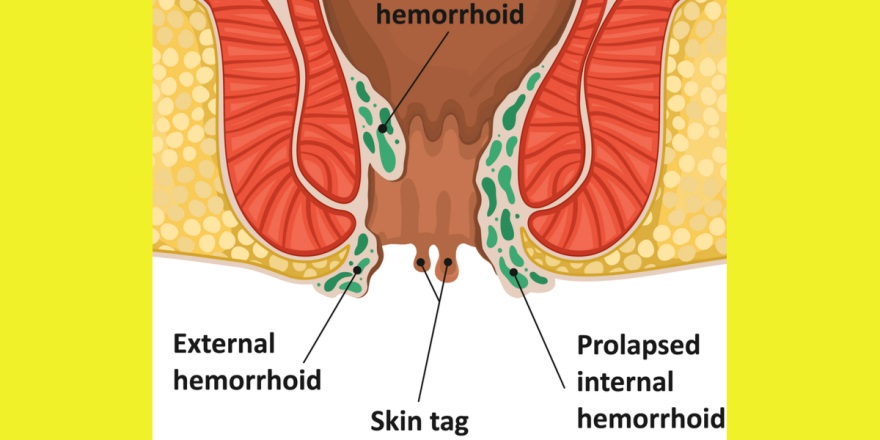
A skin tag on the butt, near the anus, or around the anal opening is often an anal skin tag. Anal skin tags are small folds of extra skin that can develop after hemorrhoids, fissures, irritation, pregnancy, constipation, or inflammation.
Patients may describe this as a skin tag on the anus, skin tag on the butthole, skin tag near the anus, or skin tags around the anus. These growths are usually benign, but they can cause difficulty cleaning, itching, irritation, discomfort, or cosmetic concern.
Dr. Aisha Akhtar, a board-certified colorectal surgeon, evaluates anal skin tags and other bumps near the anus for patients in Phoenix, Scottsdale, Glendale, and surrounding Arizona communities. Because hemorrhoids, fissures, warts, abscesses, and other anorectal conditions can look similar, an exam is the safest way to confirm what the bump is before considering removal.
Concerned about a skin tag, bump, irritation, or hygiene difficulty near the anus?
Dr. Aisha Akhtar provides evaluation and treatment for anal skin tags, hemorrhoids, fissures, and related anorectal conditions for patients in Phoenix, Scottsdale, and Glendale.
Schedule an Appointment
Quick Medical Answer
An anal skin tag is a small fold of extra skin around the anal opening. It may also be called an anal tag or perianal skin tag. Some patients search for this as a skin tag on the butthole, but the medical term is usually anal skin tag or perianal skin tag.
Anal skin tags are usually benign, but they can cause hygiene difficulty, itching, irritation, moisture trapping, discomfort, or concern about appearance. They do not usually go away with hemorrhoid creams because they are extra skin rather than active swelling. If the bump is new, painful, bleeding, growing, draining, or changing, a colorectal exam is recommended to confirm the diagnosis before considering removal.
Anal Skin Tag Evaluation in Phoenix, Scottsdale & Glendale
Dr. Aisha Akhtar evaluates anal skin tags and other anorectal bumps for patients from Phoenix, Scottsdale, Glendale, and nearby Arizona communities. An exam can help confirm whether the bump is an anal skin tag, hemorrhoid, fissure-related tag, wart, abscess, prolapse, or another condition.
What Is a Skin Tag on the Butt?
A skin tag on the butt usually refers to a small, soft piece of extra skin near the anus or buttock crease. When it occurs at the anal opening, it is commonly called an anal skin tag or anal tag.
Anal skin tags may be:
- Soft or slightly firm
- Skin-colored or slightly darker
- Small or large
- Single or multiple
- Painless unless irritated
- More noticeable after wiping or bowel movements
Many patients first notice the tag while showering, wiping, or checking the area because of irritation or a feeling that the area is not completely clean.
What Does an Anal Skin Tag Look Like?
An anal skin tag usually appears as a small, soft fold of skin near the anal opening. It may be skin-colored or slightly darker than the surrounding skin. It may be single or multiple and may become more noticeable during wiping, bathing, or after bowel movements.
A painful, blue, purple, bleeding, draining, growing, or rapidly changing lump may not be a simple anal skin tag. These symptoms should be evaluated by a colorectal specialist.
An anal skin tag is excess skin around the anal opening. It is not the same as a hemorrhoid, although it may develop after a hemorrhoid flare.
Anal skin tags are usually made of stretched skin rather than swollen blood vessels. They often remain after inflammation, swelling, or a thrombosed external hemorrhoid improves.
Unlike active hemorrhoids, anal skin tags usually:
- Do not fill with blood
- Do not become purple or blue like a thrombosed hemorrhoid
- Do not bleed easily
- Do not usually cause severe pain
- Do not shrink with hemorrhoid creams
However, anal skin tags can become irritated from wiping, friction, moisture, or trapped stool.
Anal skin tags often form after the skin around the anus has been stretched or inflamed.
Common causes include:
- Previous external hemorrhoids
- Prior thrombosed hemorrhoids
- Anal fissures
- Chronic constipation
- Chronic diarrhea
- Pregnancy or childbirth
- Repeated straining
- Local inflammation or irritation
- Excessive wiping or friction
When swelling improves, the stretched skin may not fully retract. This can leave a permanent skin fold or tag near the anus.
Sometimes anal skin tags develop without a clear triggering event.
Is a Skin Tag on the Butt the Same as a Hemorrhoid?
No. A skin tag on the butt near the anus and a hemorrhoid can look similar, but they are different.
| Feature | Anal Skin Tag | Hemorrhoid |
|---|
| What it is | Extra skin | Swollen blood vessel tissue |
| Pain | Usually painless unless irritated | Can be painful, especially if thrombosed |
| Bleeding | Usually does not bleed | May bleed |
| Color | Often skin-colored | May be red, swollen, purple, or blue |
| Texture | Soft skin fold | Swollen lump or bulging tissue |
| Response to creams | Usually does not go away | Symptoms may improve |
A common pattern is that a patient has an external hemorrhoid or thrombosed hemorrhoid first, and after the swelling resolves, a skin tag remains.
If symptoms are more consistent with swollen hemorrhoid tissue, learn more about hemorrhoid treatment options.
If the lump is sudden, painful, blue, or purple, read more about thrombosed hemorrhoids.
Most anal skin tags are not dangerous. Some cause no symptoms at all.
When symptoms occur, patients may notice:
- Difficulty cleaning after bowel movements
- Itching
- Irritation
- Moisture trapping
- Stool trapping around the tag
- Mild discomfort
- Rubbing or friction
- Cosmetic concern
- Occasional pain if the tag becomes inflamed
A skin tag itself is usually not the cause of severe pain. If pain is significant, another condition may be present, such as a fissure, thrombosed hemorrhoid, abscess, or infection.
If pain occurs during or after bowel movements, an anal fissure may also need to be considered.
What Else Can Look Like an Anal Skin Tag?
Not every bump near the anus is a simple skin tag. Conditions that may look similar include:
- External hemorrhoid
- Thrombosed hemorrhoid
- Anal fissure with a sentinel tag
- Anal wart
- Perianal abscess
- Rectal prolapse
- Fistula-related swelling
- Other anorectal lesions
This is why evaluation by a colorectal specialist is important, especially if the bump is new, painful, growing, bleeding, or changing.
For persistent symptoms or uncertainty about the diagnosis, you can schedule an appointment for evaluation.
Diagnosis is usually made with an office examination.
Dr. Akhtar may perform:
- Visual inspection of the anal area
- Gentle external exam
- Digital rectal exam when appropriate
- Anoscopy if symptoms suggest internal hemorrhoids, bleeding, fissure, or another anorectal condition
A colonoscopy is not required for every anal skin tag. It may be recommended if there are warning symptoms such as rectal bleeding, change in bowel habits, unexplained anemia, concerning family history, or age-appropriate colorectal cancer screening needs.
Not always. If an anal skin tag is small and not causing symptoms, it may not need removal.
Treatment may be considered if the skin tag causes:
- Hygiene difficulty
- Recurrent irritation
- Itching or moisture trapping
- Discomfort with wiping
- Cosmetic concern
- Repeated inflammation
- Uncertainty about the diagnosis
Hemorrhoid creams, ointments, and suppositories usually do not remove anal skin tags because the tag is excess skin, not active swelling.
Can You Shrink a Hemorrhoid Skin Tag?
A hemorrhoid skin tag is extra skin that can remain after an external hemorrhoid or thrombosed hemorrhoid improves. Because it is stretched skin rather than active swelling, it usually does not shrink with hemorrhoid creams, suppositories, or home remedies.
Treatment is not always necessary. Removal may be considered if the skin tag causes hygiene problems, recurrent irritation, discomfort with wiping, repeated inflammation, or uncertainty about the diagnosis.
Can You Remove an Anal Skin Tag at Home?
No. You should not cut, tie off, burn, freeze, or use over-the-counter skin tag removal products on tissue near the anus.
The anal area is sensitive and has a higher risk of irritation, bleeding, infection, poor healing, and scarring. Also, not every bump near the anus is a skin tag. Hemorrhoids, anal warts, fissures, abscesses, prolapse, and other anorectal lesions can look similar.
A colorectal exam helps confirm the diagnosis and determine whether office-based removal or outpatient surgical removal is appropriate.
Anal Skin Tag Removal
Anal skin tag removal may be an option when the diagnosis is confirmed and the tag is bothersome.
Removal may involve:
- Local anesthesia
- Careful excision of the excess skin
- Bleeding control
- Wound care instructions
- Pathology review when appropriate
Small anal skin tags can often be removed in the office. Larger, multiple, or more complex tags may be better treated in an outpatient surgical setting.
The goal is to remove the bothersome tissue safely while avoiding unnecessary trauma to the sensitive anal skin.
For persistent symptoms, you can schedule an appointment for evaluation and treatment planning.
Is Anal Skin Tag Removal Painful?
Most patients tolerate small office-based removal well with local anesthesia. After the numbing medication wears off, mild soreness, swelling, spotting, or burning with bowel movements can occur temporarily.
Recovery instructions may include:
- Sitz baths
- Keeping bowel movements soft
- Avoiding constipation and straining
- Gentle cleaning
- Using recommended pain control
- Following wound care instructions
Healing time varies depending on the size and number of tags removed.
A removed anal skin tag usually does not grow back in the exact same way, but new tags can develop if the underlying triggers continue.
Reducing recurrence risk may include:
- Treating constipation
- Avoiding straining
- Avoiding prolonged toilet sitting
- Managing diarrhea
- Treating hemorrhoids or fissures early
- Using fiber and adequate fluids
If skin tags are caused by another condition, such as fissures, Crohn’s disease, or chronic inflammation, treating the underlying problem is important.
When Should You See a Colorectal Surgeon?
You should schedule an evaluation if you have:
- A new skin tag on the butt or near the anus
- A bump that is painful, bleeding, or growing
- Difficulty cleaning after bowel movements
- Recurrent itching or irritation
- Concern for hemorrhoids, warts, fissure, or prolapse
- A skin tag you want removed safely
For patients in Phoenix, Scottsdale, and Glendale, Dr. Aisha Akhtar provides evaluation and treatment for anal skin tags, hemorrhoids, fissures, rectal bleeding, and other anorectal conditions.
Schedule an Appointment
Anal Skin Tag Removal in Phoenix, Scottsdale & Glendale
Dr. Aisha Akhtar is a board-certified colorectal surgeon providing anal skin tag evaluation and removal for patients in:
- Phoenix, AZ
- Scottsdale, AZ
- Glendale, AZ
- Surrounding Arizona communities
If you are concerned about a skin tag on the butt, skin tag near the anus, or skin tags around the anus, a colorectal evaluation can confirm the diagnosis and help determine whether removal is appropriate.
Frequently Asked Questions
What is a skin tag on the butt?
A skin tag on the butt is often a small fold of extra skin near the anus or buttock crease. When it occurs at the anal opening, it is usually called an anal skin tag.
Usually, no. Anal skin tags are commonly benign. However, a new, painful, bleeding, growing, or changing bump should be evaluated because other anorectal conditions can look similar.
Usually, no. Once extra skin has formed, it typically remains unless removed.
Is a skin tag on the butt the same as a hemorrhoid?
No. A hemorrhoid is swollen blood vessel tissue. An anal skin tag is excess skin. A skin tag can remain after a hemorrhoid flare improves.
No. Hemorrhoid creams may reduce irritation or swelling from hemorrhoids, but they usually do not remove extra skin.
How can I shrink a hemorrhoid skin tag?
A hemorrhoid skin tag usually does not shrink because it is extra skin left after swelling or inflammation has improved. If it causes hygiene difficulty, irritation, discomfort, or uncertainty about the diagnosis, evaluation by a colorectal surgeon can help determine whether removal is appropriate.
What does an anal skin tag look like?
An anal skin tag often looks like a small, soft fold of skin near the anal opening. It is usually skin-colored or slightly darker. A painful, bleeding, blue, purple, draining, growing, or changing lump should be evaluated because it may not be a simple skin tag.
Why does my anal skin tag hurt?
Anal skin tags are usually painless. Pain may occur if the tag is irritated, inflamed, rubbed, or associated with another condition such as a fissure, thrombosed hemorrhoid, or abscess.
Small anal skin tags can often be removed in the office under local anesthesia. Larger or multiple tags may require outpatient surgical removal.
How long is recovery after anal skin tag removal?
Recovery varies. Many patients have temporary soreness, swelling, or spotting for several days, with continued healing over the following weeks depending on the size and location of the tag.
When should I see a doctor for a skin tag near the anus?
You should be evaluated if the bump is new, painful, bleeding, growing, changing, causing hygiene problems, or if you are unsure whether it is a skin tag, hemorrhoid, wart, fissure, or another condition.
Can I cut off an anal skin tag myself?
No. The anal area is sensitive, and home removal can cause bleeding, infection, scarring, and delayed diagnosis if the bump is not actually a skin tag. A colorectal evaluation is the safest first step.
Sometimes. Small, simple anal skin tags may be removable in the office after diagnosis is confirmed. Larger, multiple, painful, inflamed, or complex tags may require a separate outpatient procedure.
Many patients use the term rectal skin tags, but most visible skin tags are actually anal skin tags because they occur on the skin around the anal opening rather than inside the rectum.
A colorectal exam can determine whether the tissue is an anal skin tag, external hemorrhoid, prolapsing internal hemorrhoid, fissure-related sentinel tag, wart, or another anorectal condition.