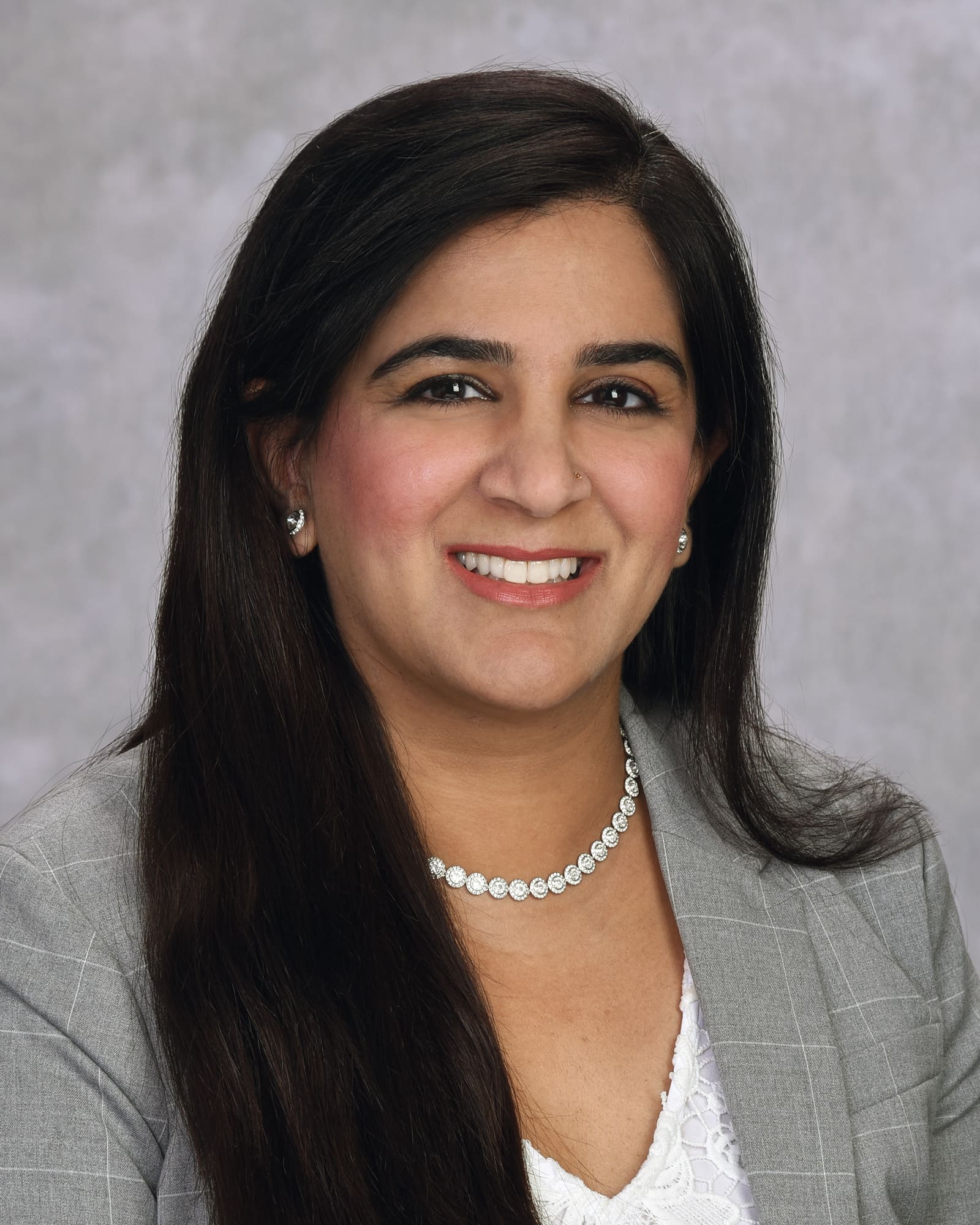
Dr. Aisha Akhtar, board-certified colon and rectal surgeon serving Phoenix, Scottsdale, and Glendale, Arizona.
Colorectal Surgeon in Phoenix, AZ
If you are looking for expert colorectal care in Phoenix, Arizona, Dr. Aisha Akhtar provides specialized evaluation and treatment for a wide range of colon, rectal, and anal conditions. As a board-certified colon and rectal surgeon, she cares for patients with both routine and complex problems, including hemorrhoids, rectal bleeding, anal fissures, rectal prolapse, constipation, pelvic floor disorders, and colorectal cancer concerns.
Many patients initially search for terms such as proctologist in Phoenix, female proctologist near me, hemorrhoid doctor Phoenix, or rectal bleeding specialist. This page serves as a central location hub for patients seeking expert colorectal and anorectal care in Phoenix and nearby communities.
Specialized colorectal care for patients in Phoenix
Colorectal symptoms are common, but many patients delay care because the symptoms feel private, embarrassing, or confusing. Problems such as bleeding, pain with bowel movements, prolapse, constipation, fecal leakage, anal swelling, or persistent rectal discomfort deserve proper evaluation.
Dr. Aisha Akhtar provides patient-centered care with attention to both accurate diagnosis and long-term symptom relief. The goal is to determine the true cause of symptoms, explain the findings clearly, and create an appropriate treatment plan.
Conditions treated
Dr. Aisha Akhtar evaluates and treats a broad spectrum of colorectal conditions for patients in Phoenix, including:
Hemorrhoids
Hemorrhoids may cause bleeding, swelling, itching, prolapse, pain, or hygiene difficulty. Treatment can range from conservative measures to office-based procedures or surgery, depending on symptom severity and exam findings.
Rectal bleeding should not be assumed to be hemorrhoids without evaluation. While hemorrhoids are common, bleeding can also result from fissures, polyps, colitis, diverticular disease, or colorectal neoplasia.
Anal fissures commonly cause sharp pain during bowel movements and bright red bleeding. Persistent or recurrent fissures may require specialized treatment beyond home care.
Rectal prolapse may present with tissue protruding from the anus, mucus drainage, leakage, pressure, or incomplete emptying. These symptoms deserve expert colorectal evaluation.
Patients with constipation may experience straining, incomplete evacuation, bloating, pelvic pressure, or the need for manual assistance. These symptoms sometimes reflect pelvic floor dysfunction or structural disorders.
Pelvic floor dysfunction may contribute to constipation, rectal pressure, stool trapping, fecal leakage, and difficulty evacuating. These disorders often overlap with other anorectal complaints.
For selected patients who need pelvic floor muscle strengthening, Dr. Akhtar also offers Emsella Chair therapy, a non-invasive in-office treatment performed while the patient remains fully clothed.
Colonoscopy and colorectal cancer concerns
Symptoms such as rectal bleeding, bowel habit change, unexplained abdominal symptoms, anemia, or abnormal screening results may require further evaluation, including colonoscopy or additional colorectal workup.
Symptoms that should prompt an appointment
You should consider scheduling an evaluation if you have:
rectal bleeding
hemorrhoids that keep recurring
anal pain or burning
pain during bowel movements
a lump or swelling near the anus
itching or irritation
tissue protruding during bowel movements
mucus drainage
stool leakage or trouble controlling gas
chronic constipation
incomplete emptying
ongoing pelvic or rectal pressure
change in bowel habits
concern for colon or rectal cancer
Even mild symptoms can significantly affect quality of life. Persistent symptoms should not be ignored.
What to expect during your visit
Many patients are anxious before their first colorectal visit. Our goal is to make the process respectful, clear, and as comfortable as possible.
Your visit may include:
Detailed history We review your symptoms, bowel habits, previous treatments, medical history, surgical history, and family history.
Focused anorectal examination A careful examination helps identify hemorrhoids, fissures, prolapse, skin tags, abscesses, fistulas, or other anorectal findings.
Office-based evaluation when appropriate Depending on your symptoms, this may include anoscopy or further colorectal assessment.
Personalized treatment plan Treatment may involve medical therapy, dietary and bowel habit counseling, office-based treatment, additional testing, or surgery when indicated.
Treatment approach
Treatment depends on the diagnosis, symptom burden, and severity of disease. Recommendations may include:
fiber optimization
hydration and bowel regulation
topical medication
constipation management
pelvic floor evaluation
office-based hemorrhoid treatment
procedural or surgical management when necessary
colonoscopy or additional diagnostic workup when indicated
The aim is to treat both the symptoms and the underlying cause.
Why patients in Phoenix choose Dr. Aisha Akhtar
Board-certified colorectal expertise
Dr. Aisha Akhtar is a board-certified colon and rectal surgeon with specialized expertise in disorders of the colon, rectum, and anus.
Respectful care for sensitive symptoms
Many colorectal conditions are difficult to talk about. Patients value clear communication, privacy, and thoughtful care for symptoms that are often highly personal.
Broad colorectal and anorectal scope
From hemorrhoids and fissures to prolapse, pelvic floor dysfunction, and cancer-related concerns, Dr. Akhtar provides specialized evaluation across a wide range of conditions.
Care for Phoenix and surrounding communities
The practice serves patients from Phoenix, Scottsdale, Glendale, and surrounding areas, including patients who may travel from outside the immediate metro area for specialized colorectal care.
Common reasons patients in Phoenix seek colorectal care
Patients in Phoenix often seek evaluation for symptoms and conditions such as:
hemorrhoids
rectal bleeding
anal pain
anal fissures
constipation
rectal prolapse
pelvic floor dysfunction
colonoscopy needs
changes in bowel habits
colorectal cancer screening concerns
These symptoms can have many possible causes. A careful colorectal evaluation helps identify the underlying problem and guide the most appropriate treatment plan.
Serving Phoenix and nearby communities
Patients come to our office from across the region, including:
Phoenix
Scottsdale
Glendale
Paradise Valley
Peoria
North Phoenix
Central Phoenix
surrounding communities in the greater Phoenix area
We also see patients who travel from outside the immediate Phoenix metro area when they are seeking specialized colorectal care.
Spanish Interpreter Support in Our Phoenix Office
Dr. Aisha Akhtar welcomes Spanish-speaking colon and rectal patients to our Phoenix office. Spanish interpreter support is available to help make communication easier during your visit. Please let our team know when scheduling your appointment or when checking in if you would like Spanish language assistance.
When symptoms may be urgent
Please seek prompt medical attention if you have:
heavy or ongoing rectal bleeding
severe anal or rectal pain
fever with anal swelling
inability to pass stool or gas
rapidly worsening prolapse
dizziness, weakness, or signs of significant blood loss
Schedule an appointment
If you are dealing with hemorrhoids, rectal bleeding, anal pain, prolapse, constipation, pelvic floor symptoms, or other colorectal concerns, expert evaluation can help clarify the diagnosis and next steps.
Dr. Aisha Akhtar provides specialized colorectal care for patients in Phoenix, Scottsdale, and Glendale, Arizona.
A colorectal surgeon evaluates and treats conditions involving the colon, rectum, and anus. Common examples include hemorrhoids, anal fissures, rectal bleeding, prolapse, constipation, colorectal cancer concerns, and pelvic floor disorders.
Is a proctologist the same as a colorectal surgeon?
Many patients still use the term proctologist, but the modern specialty term is usually colon and rectal surgeon. The search intent is often similar.
How is a female proctologist different from a colorectal surgeon?
Women seeking a female proctologist are often looking for a specialist who treats conditions such as hemorrhoids, rectal bleeding, anal fissures, and prolapse, while also offering comfort and understanding for sensitive concerns. In modern practice, this specialist is usually a board-certified colon and rectal surgeon. Learn more about seeing a female proctologist in Phoenix.
Should I see a specialist for hemorrhoids?
If hemorrhoids are recurrent, painful, bleeding, prolapsing, or not improving with conservative care, evaluation by a colorectal specialist is appropriate.
When should rectal bleeding be evaluated?
Rectal bleeding should be evaluated if it is recurrent, unexplained, associated with pain, bowel habit change, anemia, weight loss, or any other concerning symptoms.
Can constipation be related to pelvic floor dysfunction?
Yes. Some patients with chronic constipation or incomplete evacuation have pelvic floor dysfunction, rectocele, or another structural or functional disorder affecting bowel emptying.
Do I need a referral?
Referral requirements depend on your insurance plan. Please contact the office if you need help with scheduling or insurance questions.
“The whole office was wonderful. Dr Akhtar was excellent. She was thorough. She explained things extremely well. She answered all my questions. I...The whole office was wonderful. Dr Akhtar was excellent. She was thorough. She explained things extremely well. She answered all my questions. I never felt like she was rushing my exam.”
Jaime Peters
★★★★★
“Dr. Akhtar and the entire team made what could have been a very stressful experience feel comfortable, reassuring, and genuinely cared for from sta...Dr. Akhtar and the entire team made what could have been a very stressful experience feel comfortable, reassuring, and genuinely cared for from start to finish. Dr. Akhtar was professional, compassionate, and took the time to thoroughly explain everything before my procedure, which immediately put me at ease. The procedure itself went smoothly, and I truly felt I was in excellent hands the entire time. The office staff was also kind, organized, and attentive throughout the process. I’m incredibly grateful for the level of care, patience, and professionalism I received. I would absolutely recommend Dr. Akhtar to anyone looking for a skilled doctor who truly cares about their patients and their comfort.”
Michelle Abby
★★★★★
“I cannot express the how thankful I am for Dr. Akhtar. I had been to 4 other colorectal doctors, 3 gastro doctors before seeing Dr. Akhtar. I was c...I cannot express the how thankful I am for Dr. Akhtar. I had been to 4 other colorectal doctors, 3 gastro doctors before seeing Dr. Akhtar. I was crying in her office when she met me the first time. That didn't deter her. Not only that but she located the issue on my first visit. She is kind, caring, thorough and incredibly knowledgeable. She listens, spends time with you and doesn't talk over you. I've needed extra time to discuss my case many times and she has always taken the time that I needed. I've brought to her research I've read, and she always already knows about the publications. The staff are kind and helpful. I dont know what I would have done without finding her. Another health care provider recommended her highly as do I.”
Lorena Zeilman
★★★★★
“Best colorectal surgeon I’ve ever met. Dr. Akhtar is compassionate, gentle, warm, and caring. I came to her in Glendale after having a horrific exp...Best colorectal surgeon I’ve ever met. Dr. Akhtar is compassionate, gentle, warm, and caring. I came to her in Glendale after having a horrific experience with a general surgeon in Flagstaff (where I live). The Flagstaff surgeon caused a hemorrhage that almost cost me my life, and then I developed stenosis after the emergency room surgeon “fixed” the hemorrhage. Dr. Akhtar was kind enough to take me as a patient (most surgeons will not take a patient who has already been operated by another surgeon due to liability). She was very respectful and gentle in the examination, and was even able to fit me in for an outpatient procedure under sedation the very same day (knowing that I drove over 2 hours to see her). I could not be happier with her. She took the time to personally call me the next day to check on my progress. You do not see this type of doctor very often anymore. She is someone who is in it for the patient, and you can tell. I will continue to drive over 4 hours there and back to receive her high quality care and expertise. Cannot recommend her highly enough.”
Brianna Stabler
★★★★★
“Dr. Akhtar is THE BEST provider I have ever seen, period. She is incredibly knowledgeable, informative, and above all so kind. I have not met...Dr. Akhtar is THE BEST provider I have ever seen, period. She is incredibly knowledgeable, informative, and above all so kind. I have not met many people who have as comforting a bedside manner as she does. I was educated properly every step of the way and felt confident doing so because of her caring demeanor. Her PA Moses is also so friendly and upbeat, helping to ease any tension you may be feeling prior to the exam. The energy both Dr. Akhtar and Moses bring was paramount to how excellent my experience was here. Given their specialty, it would be easy to have an uncomfortable experience. However, they go the extra mile to make sure you are comfortable and reassured before anything is done. I cannot recommend this practice enough. Thank you Dr. Akhtar for the genuine concern and care you provided to me! Both my body and my outlook on my health outcomes are better off because of you.”
Sheba Shah
★★★★★Oct 13, 2026
“Dr. Akhtar and her office were excellent to work with . They were fast and efficient. Dr. Akhtar made me feel very comfortable. She’s incredibly kn...Dr. Akhtar and her office were excellent to work with . They were fast and efficient. Dr. Akhtar made me feel very comfortable. She’s incredibly knowledgeable and I felt that I was in good hands. She’s a very smart doctor and I’m so glad she took care of me.”
Barry Nestlerode
★★★★★Oct 11, 2026
“DR. AKHTAR is always very attentive and compasionate to my needs a patient. Takes plenty of time to discuss my issues and overall genuine concern....DR. AKHTAR is always very attentive and compasionate to my needs a patient. Takes plenty of time to discuss my issues and overall genuine concern. She is a great person and provider, makes you feel that you are important, not just a number.”
Teeba Alkaissy
★★★★★Oct 6, 2026
“Very caring and attentive doctor. She truly cares about her patients and takes her time explaining everything. 🤍”
Melany Berger
★★★★★Oct 1, 2026
“It is my absolute pleasure to write a review for Dr. Akhtar. After having some tough experiences with doctors along the way, Dr Akhtar is a breath...It is my absolute pleasure to write a review for Dr. Akhtar. After having some tough experiences with doctors along the way, Dr Akhtar is a breath of fresh air and just a lovely person. She made a very uncomfortable situation much easier. Her bedside manner is wonderful. She is detail oriented and actually listened to every, single word I said. She truly cares and wanted me to feel one hundred percent. I trust and feel comfortable with her and haven’t been able to say that about a doctor in a long time. She is skilled, up to date on the latest medical advancements and explains everything in detail as well as takes the time and answers every question. I am so grateful I found her. All of her office staff is so helpful and friendly as well. Thank you for helping me feel like myself again and taking such good care of me. I’ll see you soon. Highly recommend.”
Deb Benhart
★★★★★Oct 1, 2026
“What a great experience with Dr. Ahktar! She was so thorough and knowledgeable explaining everything regarding my sigmoid colectomy! She made me co...What a great experience with Dr. Ahktar! She was so thorough and knowledgeable explaining everything regarding my sigmoid colectomy! She made me comfortable to proceed with the process even after having hesitation! She has an amazing bedside manner and you can tell she truly cares about her patience and their experience! Her office staff is very kind and helpful as well!”