
How to Prevent Hemorrhoids
Hemorrhoids develop when pressure increases in the veins of the rectum and anus. This pressure can cause the veins to enlarge and become inflamed. Because hemorrhoids are often related to bowel habits and lifestyle factors, many cases can be prevented with simple changes.
Understanding how to prevent hemorrhoids is important, especially for people who experience recurrent symptoms such as rectal bleeding, itching, or swelling.
Preventive strategies mainly focus on reducing constipation, avoiding straining, and maintaining healthy bowel habits.
Eat a High-Fiber Diet
One of the most effective ways to prevent hemorrhoids is to increase fiber intake.
Fiber softens stool and helps it pass more easily through the intestines. This reduces straining during bowel movements, which lowers pressure on rectal veins.
Good sources of fiber include:
- Whole grains
- Fresh fruits
- Vegetables
- Beans and legumes
- Nuts and seeds
Most adults should aim for 25–35 grams of fiber per day.
If dietary fiber is insufficient, fiber supplements such as psyllium may help.
Stay Hydrated
Drinking adequate fluids helps prevent constipation and keeps stool soft.
Water supports healthy digestion and allows fiber to function properly in the intestines.
Most people benefit from drinking six to eight glasses of water daily, although individual needs may vary.
Avoiding excessive caffeine and alcohol may also help maintain proper hydration.
Avoid Straining During Bowel Movements
Straining is one of the most common causes of hemorrhoids.
Straining increases pressure inside the rectal veins and may lead to swelling and inflammation.
To reduce straining:
- Do not force bowel movements
- Allow stool to pass naturally
- Treat constipation early
- Maintain regular bowel habits
Relaxing during bowel movements helps reduce pressure on hemorrhoidal veins.
Do Not Sit on the Toilet for Long Periods
Many people spend excessive time sitting on the toilet while reading or using mobile devices.
Prolonged sitting on the toilet increases pressure on rectal veins and can contribute to hemorrhoid formation.
Try to limit toilet time to a few minutes and avoid unnecessary sitting.
Exercise Regularly
Regular physical activity helps promote healthy digestion and prevents constipation.
Exercise stimulates bowel function and reduces pressure in the veins of the pelvis.
Helpful activities include:
- Walking
- Swimming
- Cycling
- Yoga
Even moderate daily activity can support bowel regularity.
Maintain a Healthy Weight
Excess body weight increases pressure on the pelvic veins and rectal blood vessels.
Obesity is associated with a higher risk of hemorrhoids.
Maintaining a healthy weight through diet and exercise may reduce the risk of developing hemorrhoids.
Respond to the Urge to Have a Bowel Movement
Ignoring the urge to pass stool can lead to constipation.
When stool remains in the colon for extended periods, it becomes harder and more difficult to pass.
Responding promptly to the urge to have a bowel movement helps maintain normal bowel function and prevents straining.
Avoid Heavy Straining During Lifting
Heavy lifting increases pressure inside the abdomen and pelvis.
This pressure may contribute to hemorrhoid formation.
If heavy lifting is necessary:
- Use proper lifting technique
- Avoid holding your breath
- Engage core muscles carefully
Reducing abdominal pressure can help protect rectal veins.
Prevent Constipation
Constipation is one of the strongest risk factors for hemorrhoids.
Preventive strategies include:
- High fiber intake
- Adequate hydration
- Regular physical activity
- Healthy bowel habits
Managing constipation early helps reduce strain on rectal blood vessels.
When Should You Seek Medical Advice?
Even with preventive strategies, hemorrhoids can still occur.
Medical evaluation may be recommended if you experience:
- Persistent rectal bleeding
- Severe anal pain
- A lump near the anus
- Symptoms lasting more than one week
- Changes in bowel habits
A doctor can evaluate symptoms and determine whether hemorrhoids or another condition is responsible.
Learn More About Hemorrhoids
You may also explore these guides:
Expert Hemorrhoid Care in Phoenix
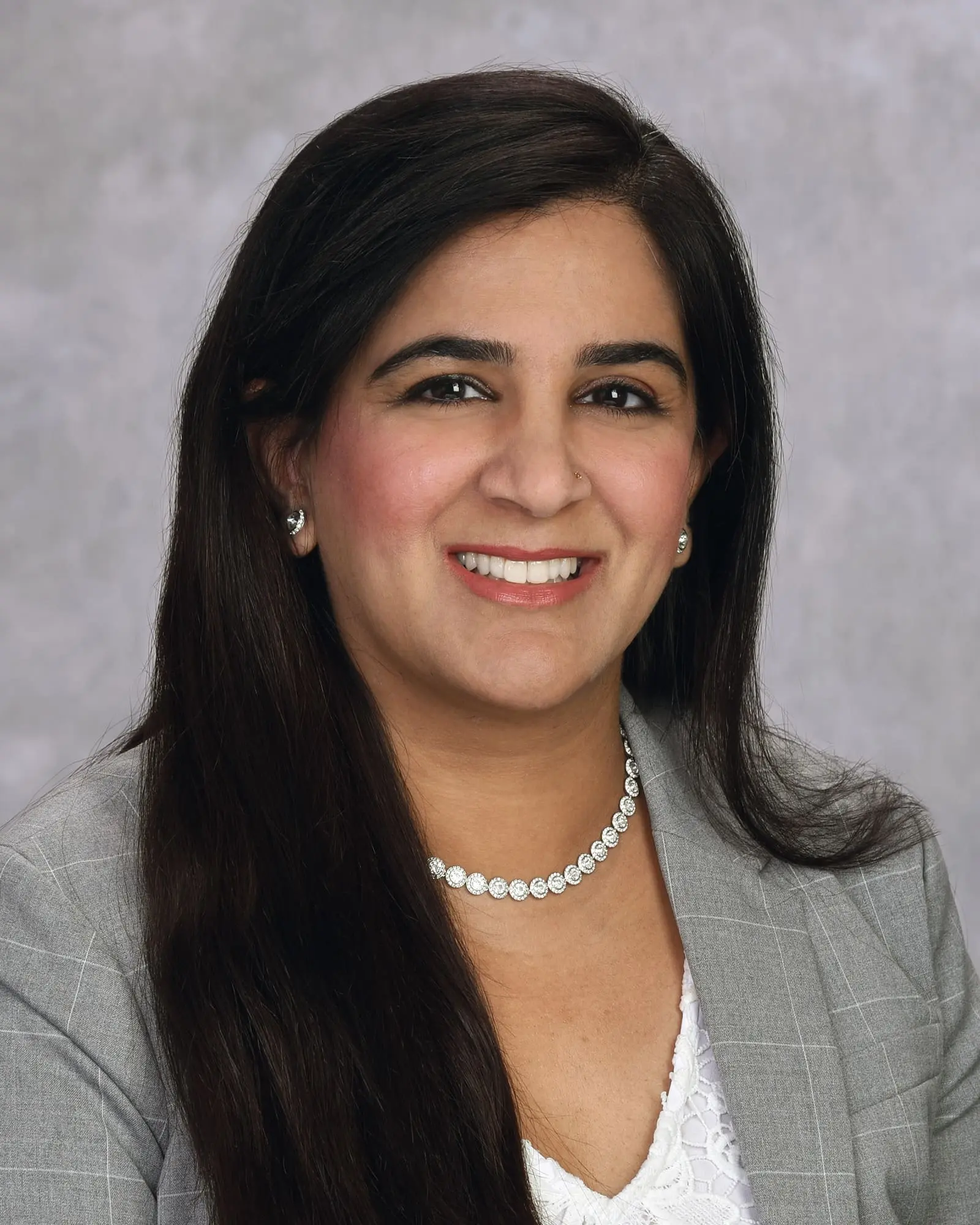
Dr. Aisha Akhtar, MD is a board-certified colorectal surgeon specializing in the evaluation and treatment of hemorrhoids and other anorectal conditions. She offers comprehensive care ranging from conservative management to office procedures such as hemorrhoid banding and advanced surgical treatments when necessary.
Reviews & Testimonials
Contact
Please don't hesitate to call us at 602-932-5660 or reach out via our online form, YouTube, Instagram and TikTok for educational resources.