
Thrombosed Hemorrhoid
A thrombosed hemorrhoid occurs when a blood clot (thrombus) forms inside an external hemorrhoid. This condition can cause sudden and severe pain, swelling, and a firm lump near the anus.
Thrombosed hemorrhoids most commonly occur in external hemorrhoids, which develop under the skin around the anus. The trapped blood clot causes increased pressure and inflammation, leading to significant discomfort.
Although thrombosed hemorrhoids can be painful, they are usually not dangerous and often improve within several days to weeks.
Dr. Aisha Akhtar, a board-certified colorectal surgeon in Phoenix, evaluates and treats thrombosed hemorrhoids using both conservative treatments and minimally invasive procedures when necessary.
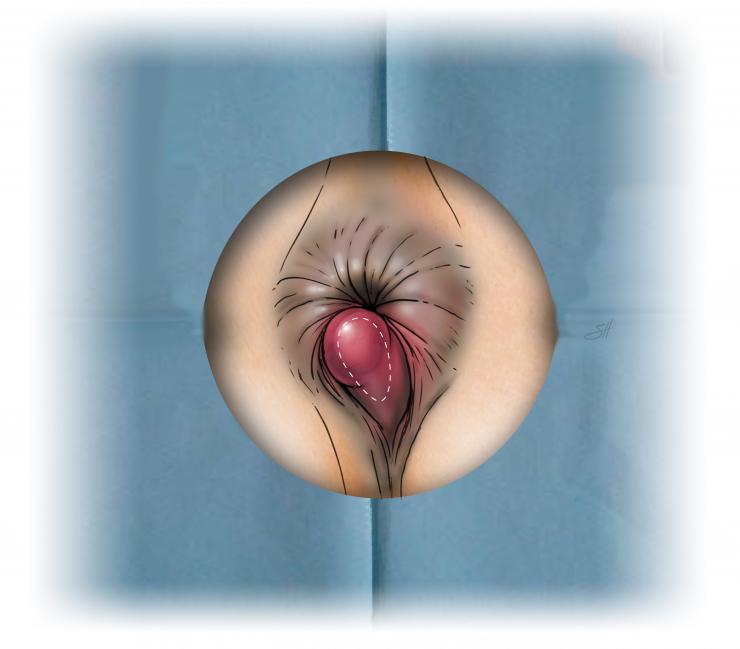
What Is a Thrombosed Hemorrhoid?
A thrombosed hemorrhoid develops when blood becomes trapped inside a hemorrhoidal vein and forms a clot.
This clot causes the hemorrhoid to become:
- Enlarged
- Hard
- Tender
- Discolored
Because the clot stretches the surrounding skin, thrombosed hemorrhoids often cause more intense pain than typical hemorrhoids.
Learn more about the general condition:
Symptoms of a Thrombosed Hemorrhoid
Symptoms usually develop suddenly and may include:
- Severe anal pain
- A hard lump near the anus
- Swelling around the anal opening
- A purple or bluish bump
- Tenderness when sitting
- Bleeding if the clot ruptures
Pain is usually most intense during the first 48–72 hours, after which the clot gradually begins to shrink and symptoms improve.
What Does a Thrombosed Hemorrhoid Look Like?
A thrombosed hemorrhoid typically appears as:
- A firm lump near the anus
- Dark purple or bluish discoloration
- Swelling and inflammation around the area
The lump may feel similar to a small marble or grape under the skin.
Some patients notice the lump suddenly after straining during a bowel movement or heavy lifting.
Causes of Thrombosed Hemorrhoids
Thrombosed hemorrhoids occur when pressure increases in the veins around the anus, allowing blood to pool and clot.
Common causes include:
- Straining during bowel movements
- Chronic constipation
- Chronic diarrhea
- Prolonged sitting on the toilet
- Heavy lifting
- Pregnancy
- Obesity
- Long periods of sitting
These factors increase pressure in the rectal veins, which can lead to both hemorrhoids and thrombosis.
Learn more:
How Long Do Thrombosed Hemorrhoids Last?
Most thrombosed hemorrhoids improve gradually over time.
Typical recovery timeline:
| Time | What Happens |
|---|---|
| 1–3 days | Pain is usually most severe |
| 4–7 days | Swelling begins to decrease |
| 1–2 weeks | Clot slowly dissolves |
| 2–3 weeks | Lump may shrink significantly |
In some cases, a small skin tag may remain after the clot resolves.
Treatment for Thrombosed Hemorrhoids
Treatment depends on the severity of symptoms and how long the hemorrhoid has been present.
Conservative Treatment
Many thrombosed hemorrhoids improve with simple measures such as:
- Warm sitz baths
- Anti-inflammatory medications
- Topical creams
- Increased fiber intake
- Stool softeners
- Avoiding straining during bowel movements
These treatments help reduce inflammation and allow the clot to resolve naturally.
Minor Surgical Procedure
If a thrombosed hemorrhoid causes severe pain within the first 48–72 hours, a colorectal surgeon may recommend removing the clot.
This procedure involves:
- Local anesthesia
- A small incision in the hemorrhoid
- Removal of the blood clot
Relief is usually immediate after clot removal.
Surgical Hemorrhoid Treatment
In rare cases, surgery may be recommended if thrombosed hemorrhoids occur frequently or are associated with severe hemorrhoidal disease.
Procedures may include:
When Should You See a Doctor?
You should seek medical evaluation if you experience:
- Severe anal pain
- A rapidly enlarging lump near the anus
- Persistent bleeding
- Symptoms lasting more than one week
- Recurrent thrombosed hemorrhoids
A specialist can confirm the diagnosis and rule out other conditions such as anal fissures, abscesses, or colorectal disease.
Preventing Thrombosed Hemorrhoids
Preventive measures focus on reducing pressure in the rectal veins.
Helpful strategies include:
- Eating a high-fiber diet
- Drinking adequate fluids
- Avoiding prolonged sitting on the toilet
- Exercising regularly
- Maintaining a healthy weight
- Treating constipation early
These steps help reduce the risk of both hemorrhoids and thrombosis.
Learn More About Hemorrhoids
You may also explore these guides:
Expert Hemorrhoid Care in Phoenix
Dr. Aisha Akhtar, MD is a board-certified colorectal surgeon specializing in the evaluation and treatment of hemorrhoids and other anorectal conditions. She offers comprehensive care ranging from conservative management to office procedures such as hemorrhoid banding and advanced surgical treatments when necessary.

Reviews & Testimonials
Contact
Please don't hesitate to call us at 602-932-5660 or reach out via our online form, YouTube, Instagram and TikTok for educational resources.